
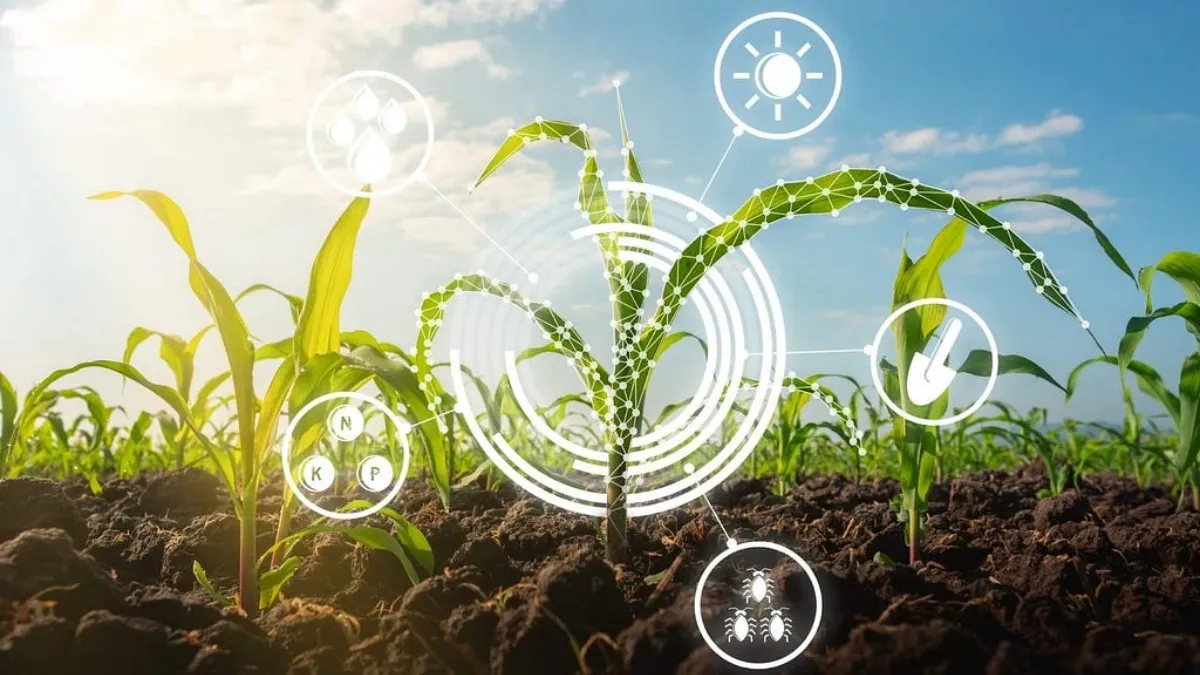
Agriculture is the foundation of human survival, but the methods used to produce food are changing rapidly. As environmental concerns, climate change, and resource shortages continue to affect farming systems around the world, sustainable farming has emerged as one of the most important solutions for the future of agriculture.
Sustainable farming focuses on producing food in a way that protects natural resources, maintains soil fertility, reduces environmental damage, and supports long-term agricultural productivity. It is not simply about growing crops—it is about creating a farming system that can meet present needs without compromising future generations.
What is Sustainable Farming?
Sustainable farming is an agricultural approach that balances productivity with environmental responsibility. It aims to reduce dependence on harmful chemicals, conserve water, protect biodiversity, and maintain healthy soil.
This farming method combines traditional agricultural knowledge with modern scientific practices to create systems that are efficient, resilient, and environmentally friendly.
Why Sustainable Farming Matters Today
Modern agriculture has increased food production significantly, but it has also created several challenges such as soil degradation, water depletion, pollution, and loss of biodiversity.
Sustainable farming addresses these problems by encouraging practices that improve resource use while reducing harmful impacts.
It helps farmers:
- Protect soil quality
- Use water efficiently
- Reduce production costs
- Improve long-term crop productivity
- Adapt to climate change
Soil Conservation is Central to Sustainability
Healthy soil is the foundation of sustainable agriculture. Continuous chemical use and excessive tillage can weaken soil structure over time.
Sustainable farming encourages methods such as:
- Crop rotation
- Cover cropping
- Organic compost application
- Reduced tillage
These practices improve soil fertility, increase organic matter, and support beneficial microorganisms.
Efficient Water Use is Essential
Water scarcity is becoming one of agriculture’s biggest challenges. Sustainable farming promotes irrigation systems that minimize waste and improve water efficiency.
Methods such as drip irrigation and rainwater harvesting help farmers provide crops with the right amount of water while conserving valuable resources.
Better water management also reduces pressure on groundwater reserves.
Reducing Chemical Dependence
One major goal of sustainable farming is to lower excessive use of synthetic fertilizers and pesticides.
Farmers increasingly use natural alternatives such as:
- Organic manure
- Biofertilizers
- Biological pest control
- Integrated pest management
This protects soil health, water quality, and crop safety.
Biodiversity Strengthens Farm Resilience
A diverse farming system is more resilient to pests, diseases, and climate stress.
Sustainable farming supports biodiversity through:
- Mixed cropping
- Agroforestry
- Preserving local crop varieties
- Encouraging beneficial insects
Biodiversity creates balance within agricultural ecosystems.
Climate Change and Sustainable Agriculture
Climate change is directly affecting crop yields, rainfall patterns, and growing seasons.
Sustainable farming helps farmers adapt through:
- Drought-resistant crops
- Improved soil moisture retention
- Carbon-friendly farming methods
By reducing environmental impact, agriculture itself becomes part of the climate solution.
Economic Benefits for Farmers
Sustainable farming can also improve farm profitability over time.
Although some practices may require initial adjustment, farmers often benefit through:
- Lower input costs
- Better soil productivity
- Stable long-term yields
- Access to premium markets for sustainable produce
Sustainability creates stronger economic resilience.
Technology Supports Sustainable Farming
Modern technology is making sustainable farming easier to implement.
Farmers now use:
- Soil testing tools
- Weather forecasting apps
- Precision irrigation systems
- Drones for crop monitoring
These technologies help improve decision-making and reduce unnecessary resource use.
The Future of Agriculture Depends on Sustainability
As the global population grows, agriculture must produce more food while protecting the environment. Sustainable farming offers a practical path forward by combining productivity, conservation, and resilience.
The future of agriculture will depend on systems that respect natural resources while ensuring food security for generations to come.
Sustainable farming is not just an option—it is becoming a necessity for a healthier planet and stronger agricultural future.