
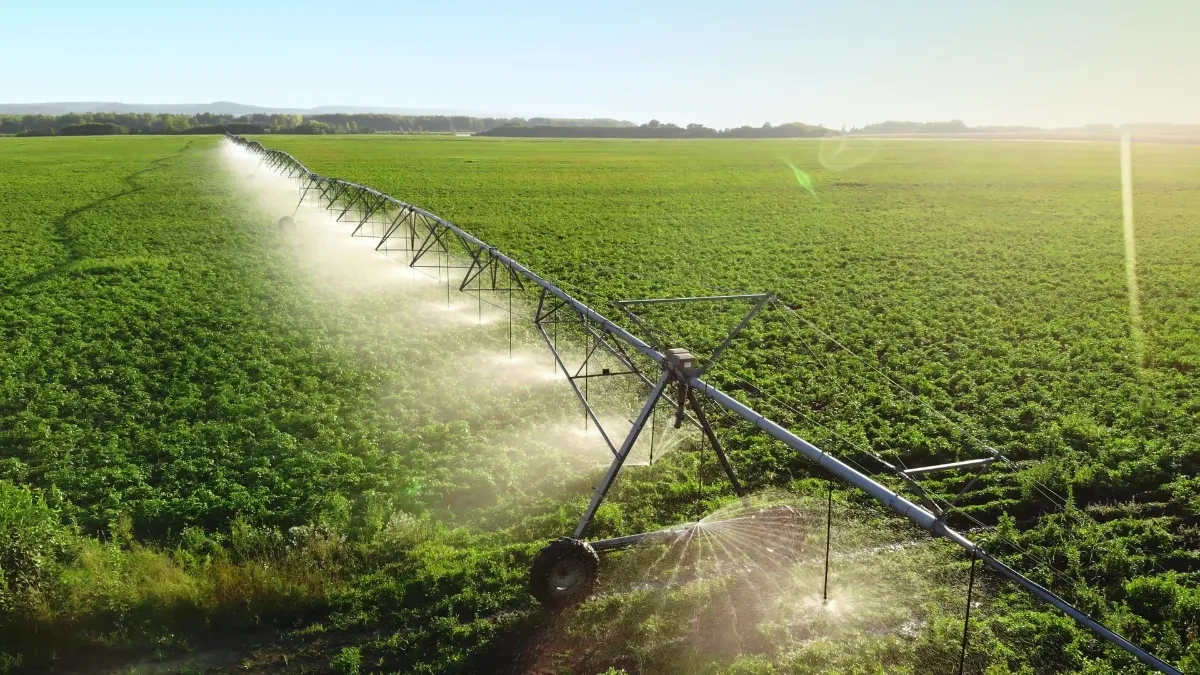
India has always been known as an agricultural nation, with farming forming the backbone of rural livelihoods and national food security. However, agriculture today is undergoing a remarkable transformation. Modern farming techniques, digital technologies, and scientific innovations are reshaping how Indian farmers grow crops, manage resources, and increase productivity.
From traditional ploughing methods to data-driven farming decisions, modern agriculture is helping India move toward a more sustainable and efficient future.
The Shift from Traditional to Modern Farming
For decades, Indian agriculture depended heavily on monsoon rainfall, manual labor, and conventional farming methods. While these practices supported generations of farmers, they often resulted in unpredictable yields and limited productivity.
Modern agriculture introduces advanced tools and scientific methods that reduce uncertainty and improve outcomes. Farmers now have access to better irrigation systems, improved seed varieties, and machinery that saves time and labor.
This shift is not replacing traditional knowledge entirely—it is strengthening it with innovation.
Technology is Empowering Farmers
One of the biggest changes in Indian agriculture is the use of technology. Smartphones, mobile applications, and digital platforms now provide farmers with weather forecasts, soil health information, crop advice, and market prices in real time.
Farmers can make better decisions about:
- When to sow crops
- Which fertilizers to use
- How much water is required
- When to harvest for better market prices
Digital access reduces dependence on guesswork and helps farmers respond quickly to changing conditions.
Precision Farming is Improving Productivity
Precision farming allows farmers to use resources more efficiently by applying water, fertilizers, and pesticides only where needed.
This approach includes:
- Soil testing before cultivation
- GPS-based field monitoring
- Sensor-based irrigation systems
- Crop health monitoring through drones
As a result, farmers reduce waste, lower production costs, and improve crop yields.
Modern Irrigation is Saving Water
Water scarcity remains one of India’s major agricultural challenges. Modern irrigation methods are helping address this issue effectively.
Techniques such as drip irrigation and sprinkler irrigation deliver water directly to plant roots, reducing wastage and improving efficiency.
These systems are especially useful in drought-prone regions, where every drop of water matters.
Mechanization is Reducing Labor Pressure
Farm labor shortages and rising labor costs have encouraged the adoption of agricultural machinery.
Today, many farmers use:
- Tractors
- Seed drills
- Harvesters
- Rotavators
- Power sprayers
Mechanization speeds up farming operations and allows farmers to cultivate larger areas more efficiently.
Better Seeds are Increasing Crop Resilience
Improved seed varieties developed through agricultural research are helping farmers deal with climate challenges, pests, and diseases.
Modern seeds offer:
- Higher productivity
- Faster growth cycles
- Better resistance to pests
- Tolerance to drought and heat
This is especially important as climate variability continues to affect farming patterns across India.
Government Support is Accelerating Change
Government schemes have played a major role in promoting modern agriculture.
Programs supporting irrigation, soil health cards, crop insurance, and farmer training have encouraged wider adoption of scientific farming methods.
Subsidies for equipment and digital agriculture initiatives are making innovation more accessible to small and marginal farmers.
Sustainable Agriculture is Becoming a Priority
Modern agriculture is not only about producing more—it is also about protecting natural resources.
Farmers are increasingly adopting sustainable practices such as:
- Organic farming
- Crop rotation
- Integrated pest management
- Reduced chemical use
These practices help maintain soil fertility and support long-term agricultural health.
Challenges Still Remain
Despite progress, many farmers still face barriers such as:
- Limited awareness of modern tools
- High initial costs
- Small landholdings
- Uneven access to digital infrastructure
Bridging these gaps is essential to ensure that modernization benefits all farmers equally.
The Future of Indian Farming
The future of agriculture in India lies in combining traditional wisdom with scientific innovation. As climate conditions become more unpredictable and food demand continues to rise, modern agriculture will play a critical role in ensuring productivity, sustainability, and farmer prosperity.
India’s agricultural transformation is not just about machines and technology—it is about empowering farmers to build a stronger and more resilient future.