
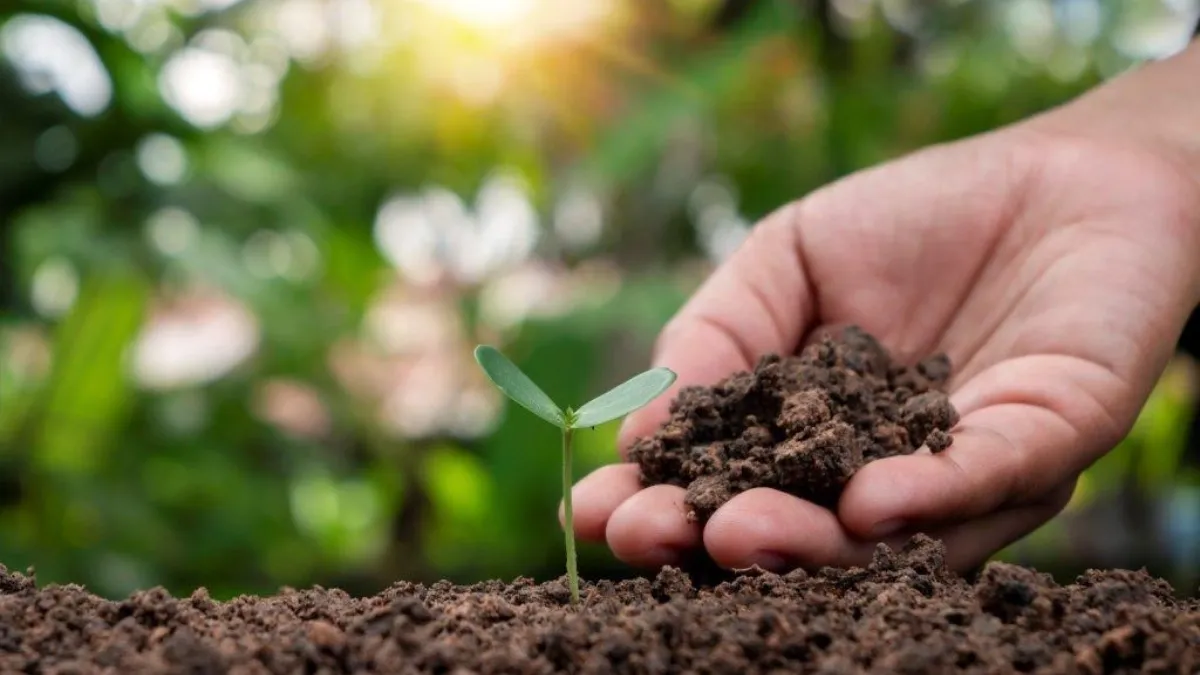
Healthy soil is the foundation of successful agriculture. No matter how advanced farming techniques become, crop production ultimately depends on the quality and health of the soil in which plants grow. In agriculture, soil is more than just a medium for holding roots—it is a living ecosystem that provides nutrients, water, and biological support essential for plant growth.
As farming faces increasing challenges such as climate change, declining fertility, and rising input costs, maintaining soil health has become more important than ever for sustainable and productive agriculture.
What is Soil Health?
Soil health refers to the soil’s ability to function as a living system that supports plant growth, regulates water, recycles nutrients, and sustains beneficial organisms. Healthy soil contains the right balance of minerals, organic matter, air, water, and microorganisms.
When soil remains healthy, crops grow stronger, resist diseases better, and produce higher yields.
Why Soil Health Matters in Crop Production
Soil directly influences every stage of plant development. It supplies essential nutrients such as nitrogen, phosphorus, potassium, calcium, and magnesium that crops need for healthy growth.
Good soil health helps in:
- Improving seed germination
- Strengthening root development
- Enhancing nutrient absorption
- Increasing crop resistance to stress
- Supporting uniform plant growth
Without healthy soil, even quality seeds and fertilizers may not deliver good results.
Soil Organic Matter Improves Fertility
Organic matter plays a major role in maintaining soil productivity. It includes decomposed plant material, crop residues, and natural compost.
Benefits of organic matter include:
- Better nutrient retention
- Improved soil structure
- Increased microbial activity
- Enhanced moisture-holding capacity
Soils rich in organic matter are more productive and less prone to degradation.
Soil Microorganisms Support Plant Growth
Healthy soil contains millions of beneficial microorganisms such as bacteria, fungi, and earthworms. These organisms break down organic material and release nutrients that plants can absorb.
Microbial activity also helps:
- Fix nitrogen naturally
- Improve soil aeration
- Protect plants from harmful pathogens
A biologically active soil creates a strong natural support system for crops.
Water Management Depends on Soil Health
Healthy soil absorbs and stores water more effectively. This is especially important in areas facing irregular rainfall or water shortages.
Good soil structure allows water to penetrate deeply, reducing runoff and erosion. Crops grown in healthy soil are better able to survive dry periods because moisture remains available near the roots.
Soil Degradation Reduces Productivity
Continuous use of chemical fertilizers, over-irrigation, and poor farming practices can damage soil over time.
Common signs of unhealthy soil include:
- Hard soil surface
- Poor drainage
- Low organic matter
- Reduced earthworm activity
- Declining crop yields
Degraded soil often requires more inputs while producing lower returns.
Crop Rotation Helps Restore Soil Health
Growing the same crop repeatedly can exhaust specific nutrients from the soil. Crop rotation helps maintain balance by alternating crops with different nutrient needs.
For example, legumes improve nitrogen content naturally and benefit the following crop cycle.
Crop rotation also reduces pest buildup and improves long-term soil fertility.
Balanced Fertilizer Use is Essential
Fertilizers should support soil health, not replace it entirely. Excessive chemical fertilizer use can disturb soil chemistry and reduce microbial life.
Soil testing helps farmers apply nutrients according to actual crop requirements, preventing waste and protecting soil quality.
Sustainable Practices for Healthy Soil
Farmers can improve soil health through simple sustainable methods:
- Using compost and farmyard manure
- Reducing unnecessary tillage
- Practicing mulching
- Planting cover crops
- Avoiding excessive chemical use
These practices help preserve soil productivity for future seasons.
Soil Health and the Future of Agriculture
As global food demand rises, soil health will remain central to agricultural success. Strong soils mean better crops, lower input costs, and more resilient farming systems.
Protecting soil today ensures long-term food security and sustainable agricultural growth for future generations.